

Paid creator work in the US? Your ESTA might not cover it
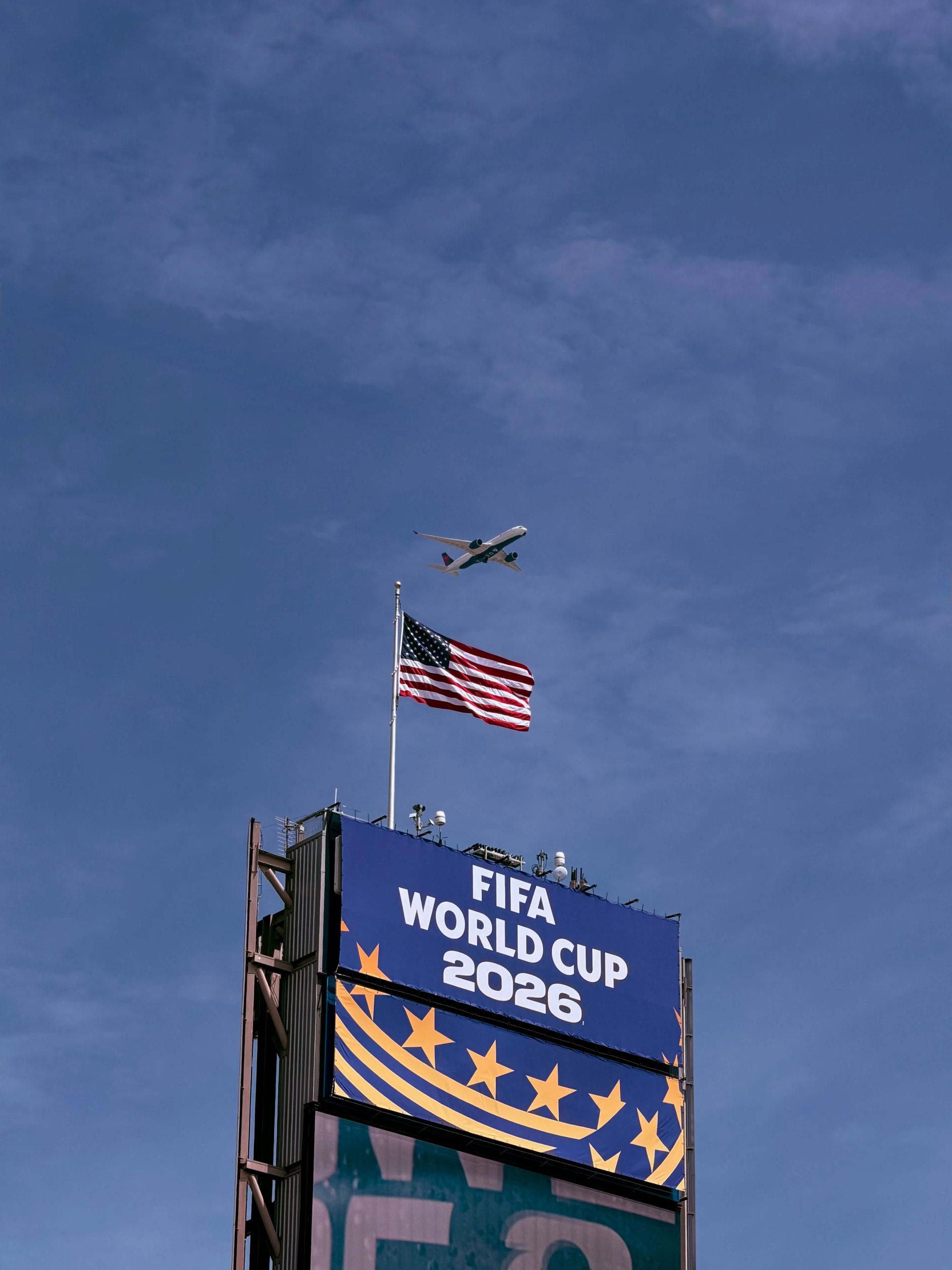
As you know, the World Cup is taking place in the US, Canada and Mexico right now, running until the 19th of July, and the creator marketing opportunity is enormous. Brands are flying people out, FIFA’s got its own creator programmes, and there’s sponsored content being produced around every fixture.
There is potential problem though…
A lot of UK creators are travelling on an ESTA, doing what is effectively paid work, and have no idea they’re putting their future access to the US at risk.
This isn’t me being cautious for the sake of it. In June, US Customs and Border Protection and the Department of Homeland Security issued a direct warning to foreign influencers about exactly this. Their words: having the sole purpose of your visit be content creation, generating income from US sources while you’re in the country, is considered work and requires the appropriate visa.
They’ve said they’re tightening inspections at airports and land crossings specifically targeting influencers. And one official made a pointed comment that creators’ own videos give them away – referring to people who’d filmed themselves getting a tourist visa and then openly shot content for their channels across US cities. So this is worth understanding properly, because there are two separate risks here:
Risk one: your visa
Most of us travel to the US visa-free under the Visa Waiver Program, using an ESTA. It lets you stay up to 90 days for business or tourism.
The catch is what “business” means. The ESTA covers a narrow band of business-visitor activity – attending meetings, negotiating, going to conferences. What it does not cover is productive work or anything that generates US-source income.
If you fly out as a fan and post about the match because you felt like it, you’re a tourist, and you’re fine. But if a brand has flown you out, you’re being paid to produce sponsored content, you’re attending a paid activation, or you’re doing promotional appearances – that’s work. The ESTA doesn’t cover it, full stop.
The fact that the brand is British and pays you in sterling into a UK account helps the argument, but it doesn’t settle it. What matters to the US is that the work is being physically performed on American soil.
The visa you’d need for paid creator work is generally an O-1, which is the route for individuals with extraordinary ability. It’s a real process – you need substantial documentary evidence, expert letters, proof of your track record – and it takes anywhere from a couple of weeks with premium processing (which costs just under $3,000) to several months otherwise. It is absolutely not something you can sort out in the days before a match.
Why getting this wrong is so serious
An approved ESTA doesn’t guarantee you get in. The officer at the border decides whether you’re admissible, and if they refuse you under the Visa Waiver Program, there’s no right of appeal. You’re simply turned around.
And the consequences escalate fast. Even a relatively lenient refusal gets logged and follows you to every future visa application and ESTA renewal you ever make. If you’re formally removed, that carries an automatic five-year bar on re-entry. If they decide you misrepresented your purpose – that you lied about why you were coming – that can be a permanent bar.
The US is the world’s biggest consumer market and home to its biggest events. Getting yourself banned for years because you didn’t realise a brand trip counted as work is close to an existential risk to your business.
It’s also worth knowing that CBP can search your phone at the border, and they’re doing it more and more. They searched over 55,000 travellers’ devices in the last financial year, up more than 30% on two years earlier. They explicitly use these searches to work out whether you’re really intending to work. So a signed brand contract, a content shot-list, a sponsor brief, or DMs negotiating paid deliverables sitting on your phone is exactly the kind of evidence that turns “tourist” into “worker” in an officer’s eyes.
Risk two: the tax bill
Even if your immigration status is sorted, there’s a second issue that catches people out.
If you’re paid for work physically performed in the US, that’s US-source income – and it doesn’t matter who pays you or where. The US sources income based on where the work is done. So a UK creator paid by a UK brand in sterling, for work carried out on American soil, has earned income the US considers theirs to tax.
The default position is a 30% federal withholding on that income. There are mechanisms to reduce that – the UK-US tax treaty provides relief, and for performance or appearance income there’s something called a Central Withholding Agreement that bases the withholding on your net income rather than 30% of the gross – but these need to be arranged in advance, not discovered after the fact.
Then there’s state tax on top, and this varies enormously depending on which host city you’re working in. Do paid work at a match in Miami, Dallas, Houston or Seattle and there’s no state income tax to worry about. Do identical work in Los Angeles or around the New York and New Jersey fixtures and you’re into the highest combined tax burdens in the country, with the most aggressive enforcement. Crucially, states generally don’t recognise the UK-US tax treaty, so the relief that protects you federally may not save you at state level.
And because you’re a UK tax resident, all of this income still has to be declared on your UK Self Assessment. The treaty and Foreign Tax Credit Relief stop you being taxed twice on the same money, but only if you do the paperwork correctly on both sides. One thing worth flagging – that relief covers US federal tax, not US state tax, so state taxes need handling separately.
So what should you do?
Before anyone books a flight, ask one simple question: are you being paid, or producing content for income, in connection with the trip?
If it’s a pure fan trip with no monetisation and no brand obligations, an ESTA is fine – and keep it that way by not attaching any paid deliverables to it.
If there’s any paid work involved, treat it as work and don’t rely on the ESTA. Speak to a US immigration specialist now about whether an O-1 is achievable in your timeframe. Given where we are in the tournament, that’s already tight, so premium processing may be the only realistic route – and even that needs the evidence assembled now.
If you can’t get the right visa in time, the compliant options are to defer the paid activity, do it from the UK instead (produce and publish the paid content outside the US), or genuinely restructure the trip so it’s not a working one. On the tax side, map each paid activity to the city and state it’s happening in, get the right forms to whoever’s paying you so withholding is handled correctly, and plan for the US filing as well as declaring everything properly on your UK return.
Heading to the World Cup?
This is one where you want proper advice before you travel, not after. The immigration and tax rules here are complex, the enforcement is getting stricter, and the downside of getting it wrong is severe and long-lasting.
If you’re heading out this summer and you’re doing anything paid while you’re there, talk to us before you go. It’s a lot cheaper and easier to sort this out in advance than to deal with a border refusal or a withholding mess after the fact.
The World Cup is a brilliant opportunity for creators. Just make sure you’re taking it in a way that doesn’t cost you the US for the next five years.
If you need advice or help with your taxes please get in touch with our team.